The Hidden Link Between Chronic Inflammation and Thyroid Health
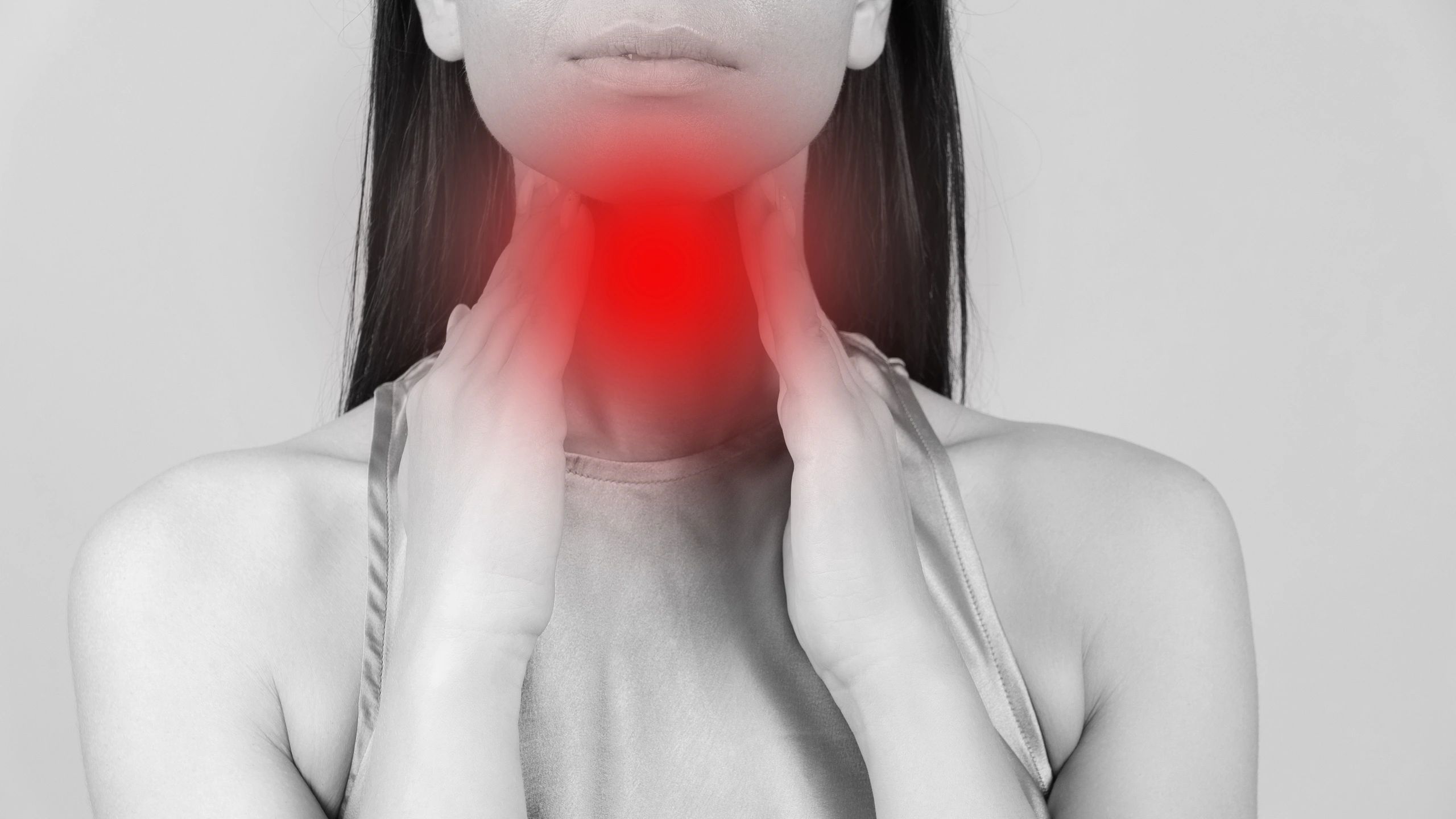
Did you know that millions of people living with fatigue, weight changes, and brain fog may actually be experiencing the effects of an overactive immune system attacking their thyroid? Hashimoto’s Thyroiditis, the leading cause of hypothyroidism worldwide, isn’t just a hormone imbalance—it’s an autoimmune condition rooted in chronic inflammation. Unlike acute inflammation, which is short-lived and protective, chronic inflammation silently persists, triggering immune cells to mistakenly target thyroid tissue, gradually impairing its ability to regulate metabolism, energy, and overall wellness.
In regions like Arizona, where environmental stressors such as humidity, dietary patterns, and lifestyle factors can amplify inflammatory responses, understanding this connection is even more critical. The thyroid gland, already sensitive to immune disruption, becomes increasingly vulnerable when inflammation goes unchecked. Over time, this can lead to a cascade of symptoms that disrupt sleep, mood, digestion, and hormonal balance.
This section will help you understand how chronic inflammation drives Hashimoto’s progression, recognize early warning signs, and identify actionable steps to support immune balance. You’ll learn how diet, stress, gut health, and environmental triggers influence thyroid function—and what you can do to take control. Whether you’re newly diagnosed or seeking deeper insight, the knowledge ahead can empower smarter, more effective decisions on your healing journey.
How Immune Dysregulation Triggers Thyroid Inflammation in Hashimoto’s
Understanding the connection between immune dysfunction and thyroid inflammation is essential for managing Hashimoto’s thyroiditis effectively. At its core, Hashimoto’s is an autoimmune condition where the immune system mistakenly identifies thyroid tissue as a threat, launching a sustained attack that leads to chronic inflammation and gradual thyroid damage. This process begins when immune tolerance breaks down—meaning the body fails to recognize its own cells, leading to the production of autoantibodies like TPOAb and TgAb that target thyroid proteins.
Several factors contribute to this loss of self-tolerance, including genetic predisposition, environmental triggers, and intestinal permeability (often referred to as “leaky gut”). When the gut barrier is compromised, undigested food particles, toxins, or pathogens can enter the bloodstream, stimulating immune activation. In genetically susceptible individuals, this persistent immune stimulation can lead to molecular mimicry—where foreign antigens resemble thyroid tissue, prompting cross-reactive immune responses.
Additionally, dysregulation of immune cell populations—such as overactive Th17 cells and insufficient T-regulatory (Treg) cells—fuels ongoing inflammation. These imbalances promote the release of pro-inflammatory cytokines like IL-17 and TNF-alpha, which directly damage thyroid follicular cells. Over time, this inflammatory cascade disrupts hormone synthesis, leading to hypothyroid symptoms. Addressing immune balance through targeted lifestyle, dietary, and gut-supportive strategies is crucial in slowing disease progression and supporting thyroid health—especially for individuals navigating autoimmune challenges in high-stress, urban environments like Fort Lauderdale.
7 Common Triggers That Fuel Inflammation in Hashimoto’s Patients
For individuals managing Hashimoto’s thyroiditis, chronic inflammation isn’t just a symptom—it’s a central driver of disease progression and discomfort. Recognizing the everyday factors that flare this inflammatory response can be the key to reclaiming balance and improving quality of life. While genetic predisposition plays a role, environmental and lifestyle triggers often act as accelerants. Below are seven commonly overlooked culprits that can exacerbate inflammation in Hashimoto’s, along with practical insights for reducing their impact.
Gluten Consumption
Even in the absence of celiac disease, gluten can trigger molecular mimicry—where the immune system mistakenly attacks thyroid tissue due to structural similarities between gluten proteins and thyroid antigens. Eliminating gluten is one of the most effective dietary steps for calming autoimmune activity and reducing thyroid antibodies.Chronic Stress & Elevated Cortisol
Persistent stress disrupts immune regulation and increases pro-inflammatory cytokines like IL-6 and TNF-alpha. Over time, this suppresses thyroid function and impairs T4 to T3 conversion. Incorporating daily stress-reduction techniques—such as diaphragmatic breathing or mindfulness—can significantly lower systemic inflammation.Food Sensitivities Beyond Gluten
Dairy, soy, eggs, and nuts are frequent immune triggers for Hashimoto’s patients. These foods can increase intestinal permeability (“leaky gut”), allowing undigested proteins into the bloodstream and fueling autoimmune reactions. An elimination diet is often necessary to identify individual sensitivities.Nutrient Deficiencies
Low levels of selenium, zinc, vitamin D, and omega-3 fatty acids are strongly linked to higher inflammation and poor thyroid hormone metabolism. These nutrients support antioxidant defenses and immune modulation. Prioritizing nutrient-dense foods or targeted supplementation helps restore balance.Poor Sleep Quality
Disrupted or insufficient sleep impairs the body’s ability to regulate immunity and repair tissue. Sleep deprivation increases inflammatory markers and can trigger Hashimoto’s flares. Aiming for 7–9 hours of restorative sleep in a cool, dark environment supports long-term remission.Toxins & Environmental Exposures
Heavy metals, mold toxins (mycotoxins), and endocrine-disrupting chemicals (like BPA) can overstimulate the immune system and burden detoxification pathways. Reducing exposure through clean water, air filtration, and non-toxic household products is essential for lowering inflammatory load.Gut Dysbiosis & Microbiome Imbalance
An unhealthy gut microbiome promotes inflammation and weakens immune tolerance. Overgrowths like SIBO or low beneficial bacteria reduce butyrate production, a short-chain fatty acid that calms autoimmune responses. Supporting gut health with fiber-rich plant foods and probiotics is a critical step in managing Hashimoto’s.
Step-by-Step Guide to Reducing Inflammation and Supporting Thyroid Health Naturally
Managing inflammation in Hashimoto’s Thyroiditis begins with intentional dietary and lifestyle changes that target root causes, not just symptoms. Follow these science-aligned steps to support immune balance and optimal thyroid function.
Adopt an Autoimmune-Compliant Diet
Eliminate common inflammatory triggers like gluten, dairy, and processed foods, which may increase intestinal permeability and immune reactivity. Focus instead on nutrient-dense whole foods—leafy greens, wild-caught fish, cruciferous vegetables (cooked), and low-glycemic fruits. Prioritizing local, seasonal produce available in South Florida markets enhances freshness and nutrient retention.Optimize Blood Sugar Balance
Stable blood sugar reduces stress on the adrenal-thyroid axis. Pair complex carbohydrates with healthy fats and protein at every meal. Avoid sugary snacks and refined grains that spike insulin and promote inflammatory cytokine release.Incorporate Daily Anti-Inflammatory Movement
Engage in low-impact activities like walking, yoga, or swimming for 20–30 minutes daily. Consistent movement improves circulation, supports detoxification pathways, and helps regulate immune cell activity—especially important in humid environments where fluid retention can worsen inflammation.Support Gut Health with Fiber and Fermented Foods
A healthy gut microbiome is essential for immune modulation. Include prebiotic-rich foods like asparagus, garlic, and bananas, along with probiotic options such as raw sauerkraut or unsweetened coconut yogurt to maintain microbial diversity.Establish a Nightly Recovery Routine
Quality sleep regulates T-reg cells and lowers pro-inflammatory markers. Aim for 7–9 hours nightly by reducing screen exposure after sunset, keeping your bedroom cool, and practicing relaxation techniques like diaphragmatic breathing.
Frequently Asked Questions About Managing Inflammation in Hashimoto’s Thyroiditis
What triggers inflammation in Hashimoto’s Thyroiditis?
Hashimoto’s Thyroiditis is an autoimmune condition where the immune system mistakenly attacks the thyroid gland, leading to chronic inflammation. This response is often amplified by factors such as intestinal permeability (leaky gut), food sensitivities (especially gluten and dairy), hormonal imbalances, and environmental toxins. Elevated levels of pro-inflammatory cytokines like TNF-alpha and IL-6 further perpetuate tissue damage and thyroid dysfunction.**
Can diet really reduce inflammation in Hashimoto’s?**
Yes—nutrition plays a pivotal role. An anti-inflammatory, nutrient-dense diet helps regulate immune activity and support thyroid health. Many find relief by adopting a gluten-free, low-inflammatory eating plan, rich in omega-3 fatty acids, selenium, zinc, and antioxidants. Foods like wild-caught fish, cruciferous vegetables (cooked), and organ meats provide critical nutrients that aid in reducing oxidative stress.**
How do gut health and inflammation connect in Hashimoto’s?**
The gut-thyroid axis is vital. Poor gut integrity allows undigested food particles and pathogens to enter the bloodstream, triggering systemic inflammation and molecular mimicry—where the immune system attacks thyroid tissue. Supporting gut barrier function with probiotics, L-glutamine, and fiber-rich prebioticscan help restore balance, especially for those in urban areas like Fort Lauderdale managing lifestyle-related stressors.**
What role do stress and sleep play?**
Chronic stress elevates cortisol, which dysregulates the immune system and worsens autoimmune flares. Poor sleep limits cellular repair and increases inflammatory markers. Establishing a consistent sleep routine and incorporating breathwork or mindfulnesscan reduce thyroid antibodies and improve overall resilience.**
Are supplements helpful for modulating inflammation?**
Certain supplements—such as curcumin, omega-3s, vitamin D, and selenium—have demonstrated immune-modulating effects. Selenium, in particular, supports thyroid hormone conversion and reduces antibody levels. Always consult a healthcare provider before starting new supplements to ensure safety and proper dosing.
Putting It All Together: Your Action Plan for Managing Inflammation in Hashimoto’s
Living with Hashimoto’s thyroiditis means navigating a complex relationship with inflammation—one that can either support your well-being or hinder it, depending on how you manage it. The key lies in recognizing that while inflammation is a natural immune response, chronic activation can drive thyroid dysfunction and worsen symptoms like fatigue, weight gain, and brain fog. Fortunately, you’re not powerless. By taking a proactive, holistic approach, you can create an internal environment that supports immune balance and thyroid health.
Start by prioritizing foundational lifestyle practices: focus on a nutrient-dense, anti-inflammatory diet low in processed foods and high in antioxidants, omega-3s, and selenium-rich foods. Optimize sleep quality and integrate stress-reduction techniques like breathwork or mindfulness—both are proven to lower inflammatory markers. Regular, gentle movement such as walking or yoga can also enhance circulation and immune regulation.
Equally important is identifying and addressing trigger factors unique to your body, such as food sensitivities, gut imbalances, or environmental stressors. Many find relief by working with knowledgeable practitioners to test for root causes and personalize their care. While every journey is different, consistent, small changes often yield significant results over time.
Take charge of your health today—your body’s resilience starts with the daily choices you make.